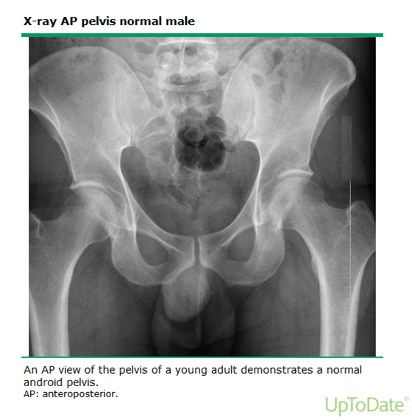
NORMAL PELVIS VS. OPEN BOOK PELVIC FRACTURE


Pelvic fractures are most common after a high-force trauma such as motor vehicle collisions, auto vs pedestrian or a fall greater than 12 feet.
Classified as stable or unstable fractures:
Also classified by type of force that caused injury:
Open-book pelvic fractures associate a diastasis and/or a fracture of the pubic rami with a posterior pelvic disruption of the sacro-iliac joint. It is caused by a combination of all the types of force.


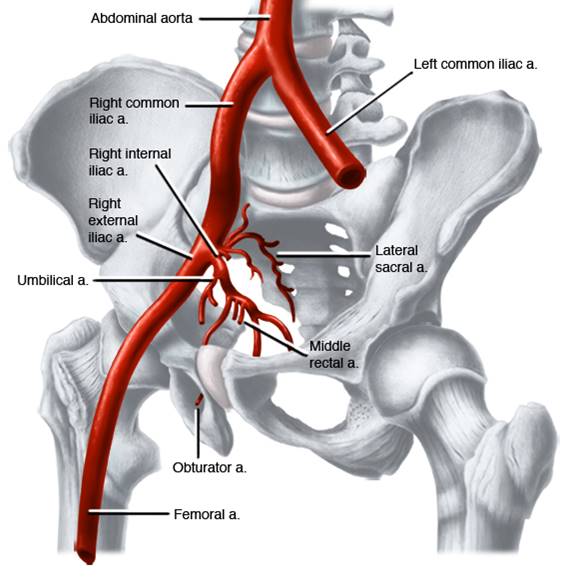
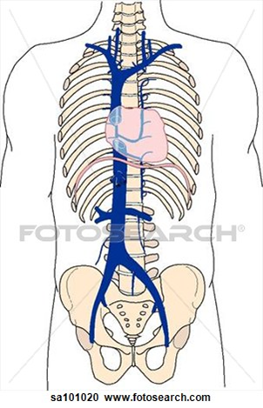
There are major arteries and veins that run through the pelvis. The most frequently injured arteries are the superior gluteal, the internal pudental and the ilio-lumbar arteries because of their proximity to the bone, the sacro-iliac joint and the inferior ligaments of the pelvis. The walls of the veins are more fragile than arteries, thereby bleeding from veins are more common. However venous bleeding is less serious than arterial bleeding because of the low blood pressure in the venous network.
In an open-book fracture, the pelvic ring is enlarged making the volume of the pelvic cavity larger. The increase in size allows for the increase of blood loss in the retroperitoneal space. Hemorrhage and its resultant hemodynamic instability is main cause of death in the acute phase.
TREATMENTS OF PELVIC FRACTURE
I. Conservative; Non-surgical
II. Pelvic binder/pelvic belt
III. External pelvic fixator/stabilizer
IV. Embolization of pelvic bleeding/Angiographic embolization
V. Internal Fixation
Case studies can be viewed at: http://www.pelvicbinder.com/assets/pubs/3-pelvic-binder-case-studies.pdf
References:
Baque, P., Trojani, C., Delotte, J., Sejor, E., Senni-Buratti, M,. de Baque, F., & Bourgeon, A. (2005). Anatomical consequences of "open-book" pelvic ring disruption. A cadaver experimental study. Surgical and Radiologic Anatomy, 27(6), 487-90. doi:http://dx.doi.org/10.1007/s00276-005-0027-2
http://www.pelvicbinder.com
UpToDate
Watts, D., & Kokiko, J. (1999). External pelvic stabilization: Nursing implications. Journal of Emergency Nursing 25(1), 65-66. doi:http://dx.doi.org/10.1016/S0099-1767(99)70136-4